Blog
Jan 21, 2026
4
min read
Sustainable Luxury in Homes
Balancing environmental responsibility with refined living.

Elena Voss
Sustainability Advisor
Share:
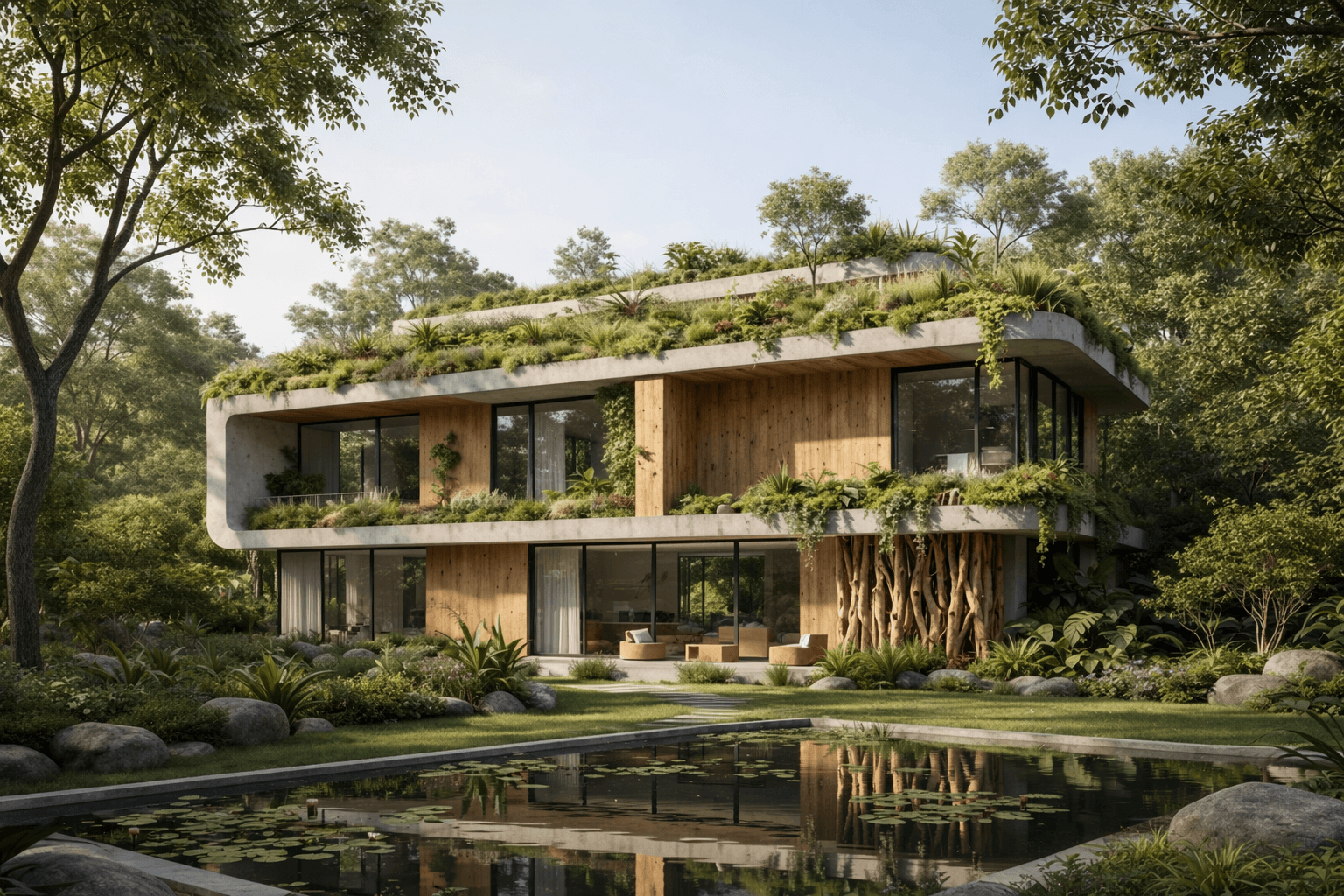
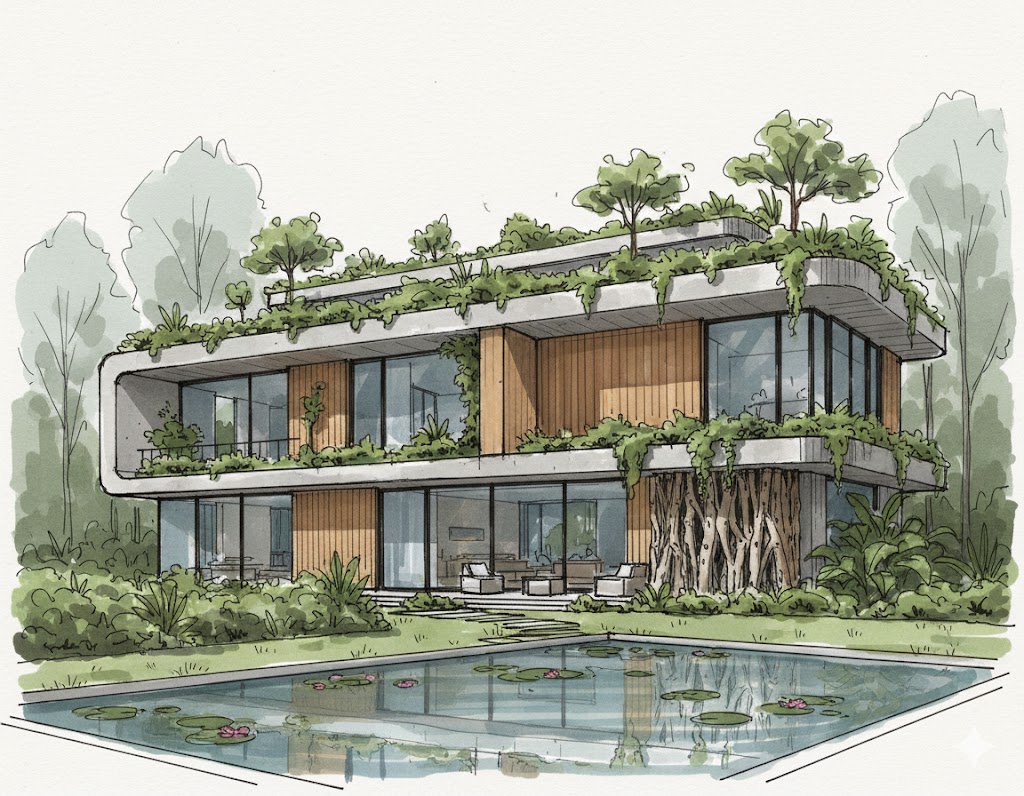
The notion that luxury and sustainability are opposing forces is outdated. Today's most sophisticated homes demonstrate that environmental responsibility and refined living not only coexist but enhance one another.
Quality Over Quantity
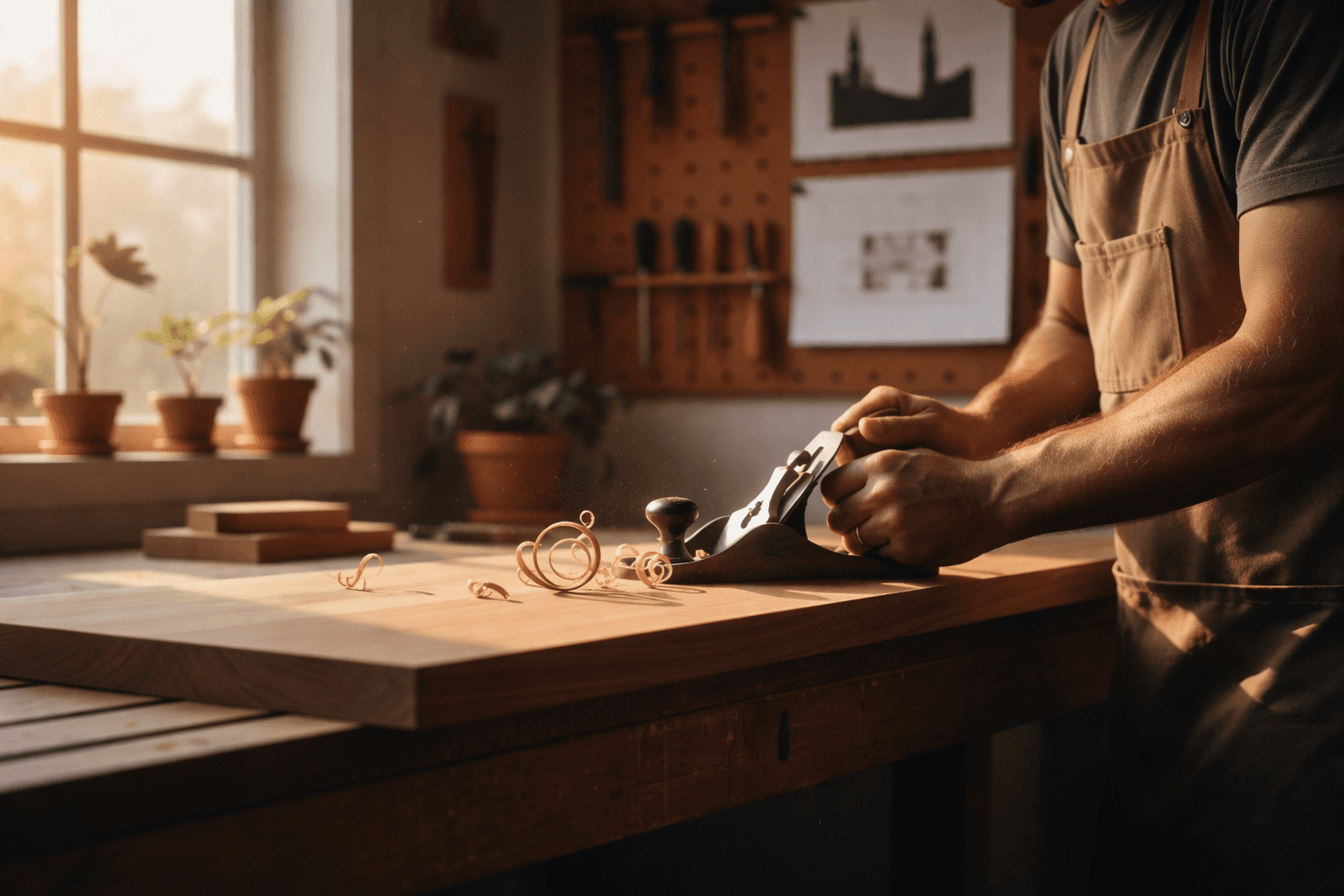
True sustainability in residential design begins with durability. A home built with quality materials and skilled craftsmanship will stand for generations, avoiding the environmental cost of demolition and reconstruction. This approach aligns perfectly with the values of considered luxury.
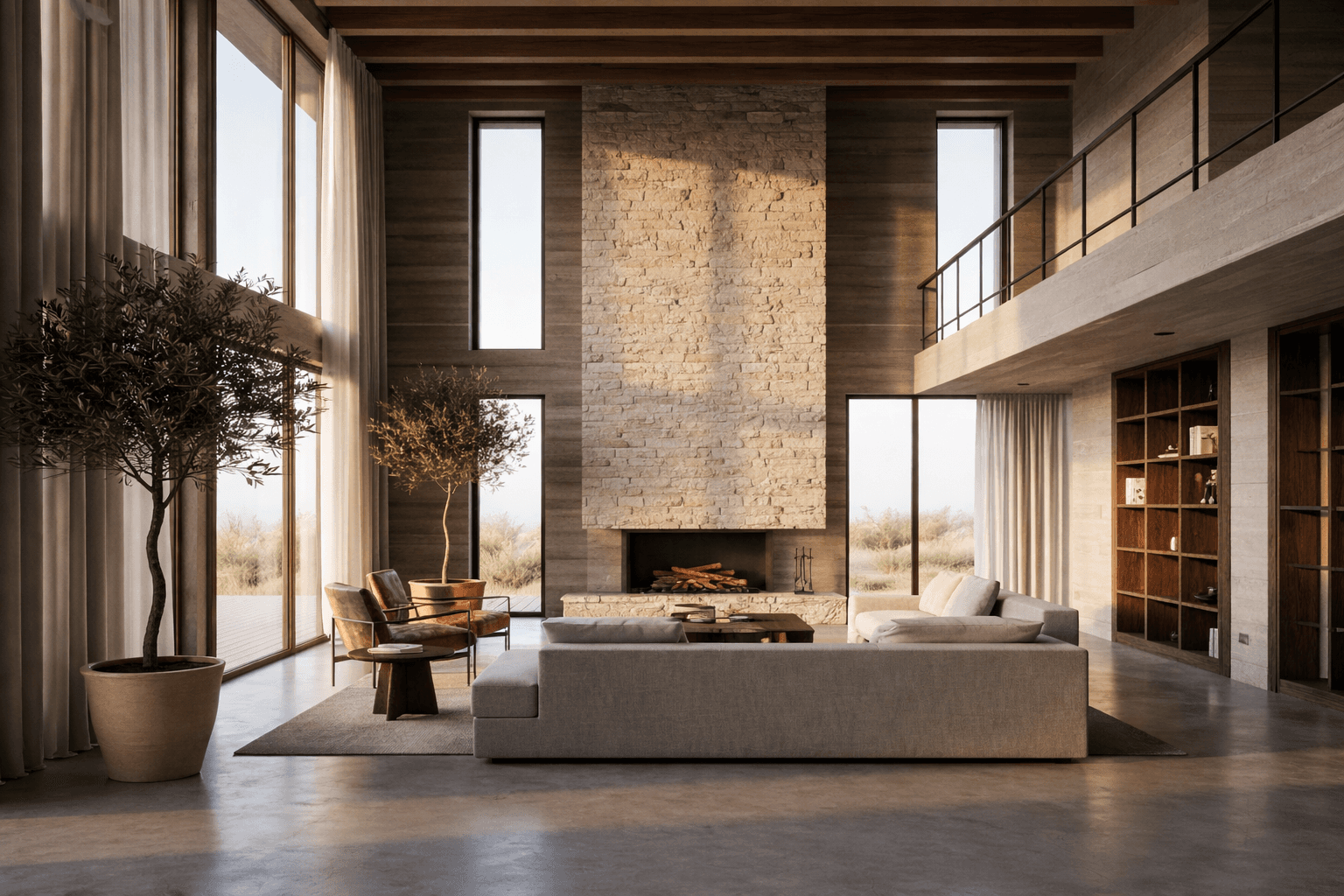
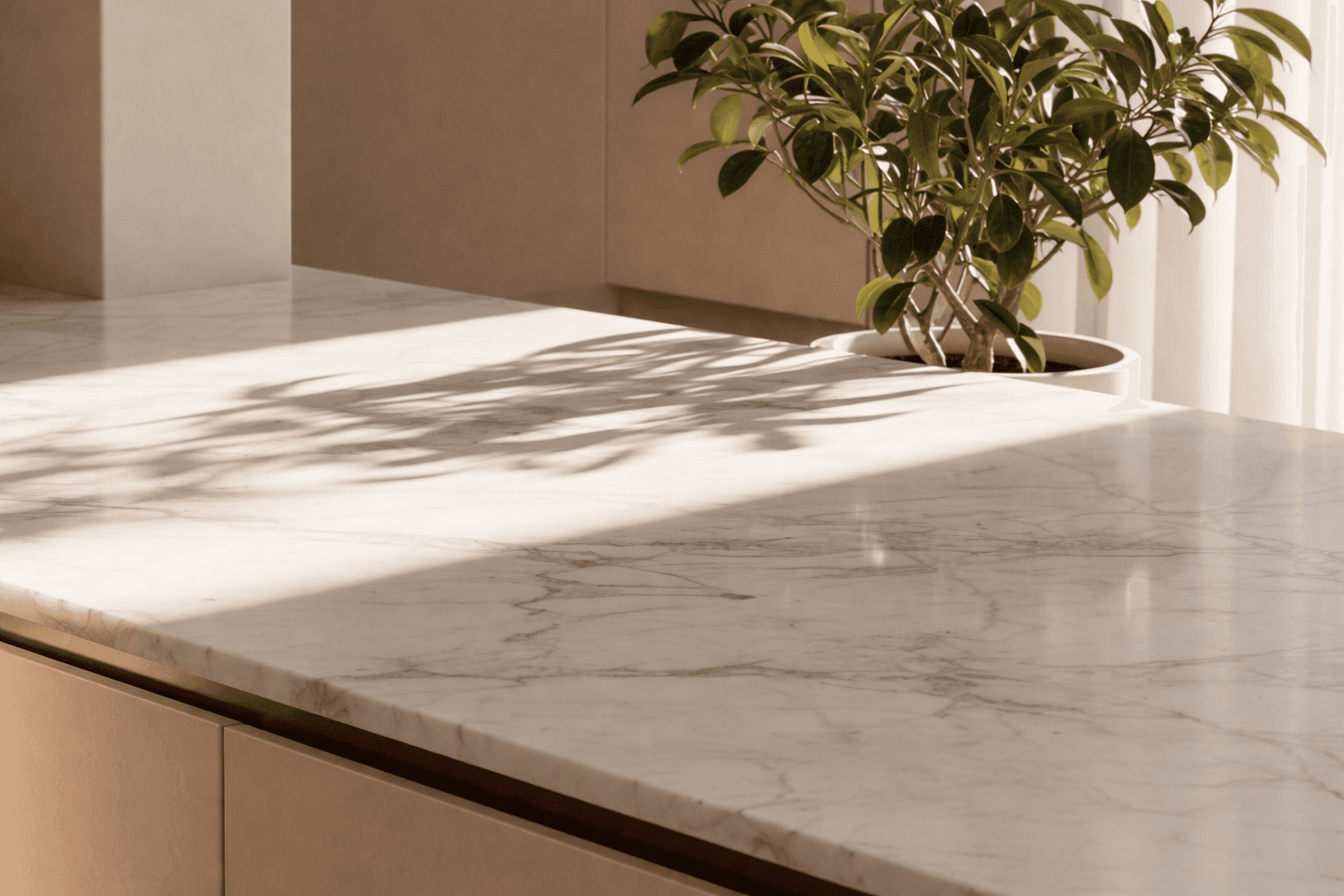
Natural materials sourced responsibly—FSC-certified timber, locally quarried stone, recycled metals—bring both aesthetic warmth and environmental integrity. They age beautifully, require less maintenance, and can often be recycled or biodegraded at end of life.
Passive Design Principles
The most elegant sustainable homes use passive design strategies that have been employed for centuries: proper orientation for natural heating and cooling, thermal mass to moderate temperature swings, cross-ventilation to reduce reliance on air conditioning.
“Sustainable design is not a constraint but an opportunity for innovation and beauty.”
— Kengo Kuma
These passive strategies reduce energy consumption while creating more comfortable, healthier living environments. They represent not a compromise but an enhancement of the living experience.
When sustainability is treated as a guiding principle rather than a constraint, the result is architecture that feels effortless and considered. Each decision supports the next, creating homes that function as cohesive systems rather than a collection of isolated features.
Enduring Design
This approach places emphasis on balance—between performance and beauty, innovation and tradition, efficiency and comfort. Materials are selected not only for their environmental credentials, but for how they feel to live with over time. Spaces are shaped to support daily rituals, offering calm, clarity, and a sense of permanence.
There is a quiet confidence in homes designed this way. They do not rely on excess or novelty to feel relevant. Instead, their value is expressed through proportion, light, and the subtle refinement of detail. These are homes that feel grounded in their surroundings and resilient to change.
A truly sustainable home is one that does not need to be reimagined every decade. Flexible layouts, timeless materials, and thoughtful planning allow spaces to evolve naturally as lifestyles change, reducing the need for renovation while preserving both resources and meaning.
Ultimately, sustainable residential design is about stewardship. It recognises that architecture has a lasting impact—on the environment, on communities, and on the people who inhabit these spaces every day. When longevity, restraint, and intention guide the design process, sustainability becomes inseparable from quality, comfort, and enduring luxury.
Stay ahead of the market.
Be the first to know about exclusive listings, market insights, and curated opportunities—delivered directly to your inbox.